
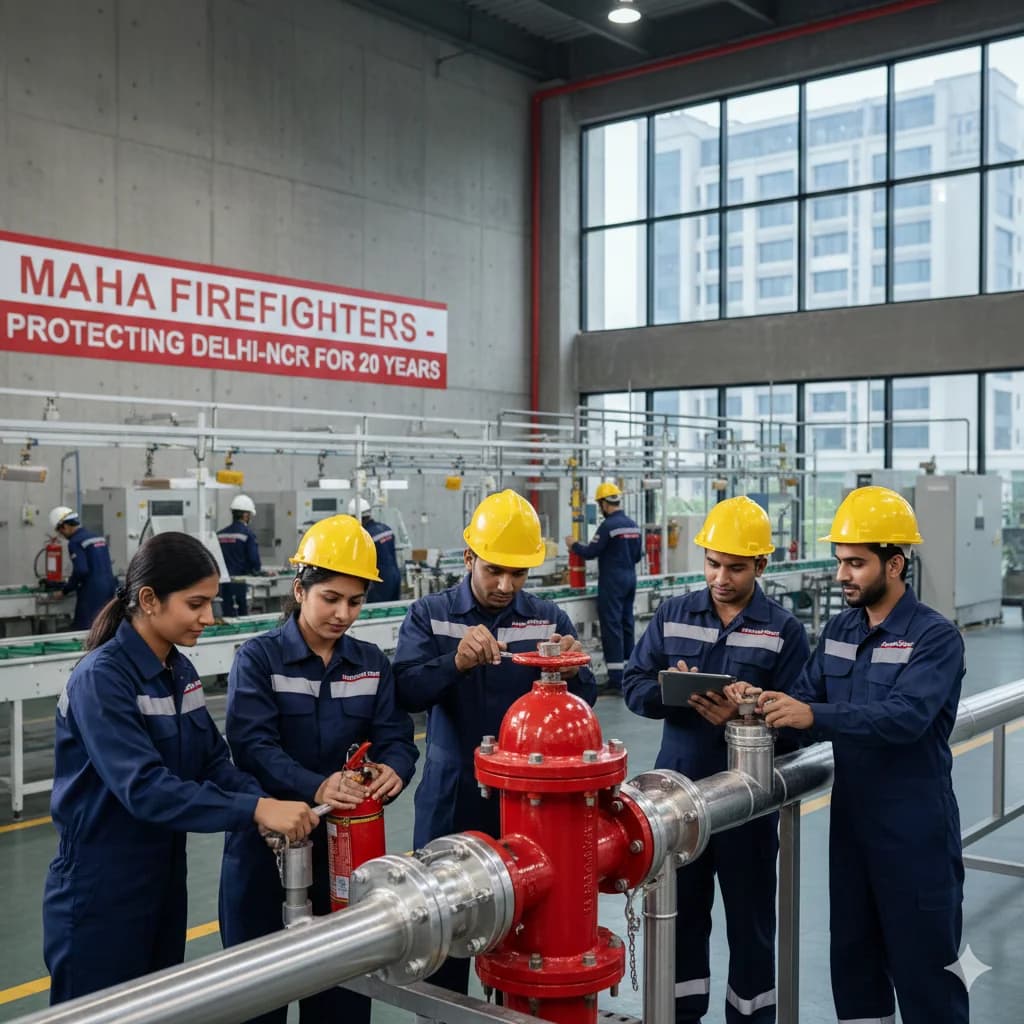
Industrial sites in Delhi NCR can’t afford a false alarm or a missed code. A fire alarm system that ticks every NBC 2016 Part 4 box protects assets and lives, and it keeps the fire service from clamping down on your operations. The stakes are real: a single missed notification can trigger a shutdown that costs millions. That’s why the installation isn’t a choice—it’s a mandate.
Why NBC‑Compliant Alarm Installations Matter
Most managers think a basic smoke detector will do. In Delhi NCR, the law demands an addressable system with a 30 s alarm initiation, a redundant power supply, and a self‑testing loop that feeds the DFS every 24 h. If you miss any of those, the inspection fails and the NOC hangs. The result? A forced shutdown and a hefty fine that could run into ₹50 lakhs.
Key Code Requirements at a Glance
- IS 2189 – 300 mm spacing for high‑risk areas, 400 mm in standard zones.
- IS 15105 – 30 s alarm initiation, 2‑hour power backup.
- DFS 2021 – 1 kW UPS per 500 m² floor.
Missing a single code item means the DFS will throw a red flag that never goes away until corrected.
Installation Steps That Cut Costs and Boost Reliability
Step one: perform a site‑specific hydraulic and power audit. This tells you exactly how many control panels you need and where the power load will sit. The audit also surfaces hidden cabling that, if left unchecked, can double your wiring cost.
1. Layout and Zone Planning
Start with a clear zone map. Use the 400 mm rule for low‑risk zones and 300 mm where hazardous material sits. Each zone must have a dedicated panel or a shared panel with a 5 kW UPS.
2. Wiring and Power Redundancy
Run separate feeder cables for the alarm panel and the control desk. Install a 3‑phase UPS with an auto‑switch to a standby diesel generator that starts within 10 s of a power loss. That 10‑second window is the critical period where the DFS can’t certify a system.
3. Self‑Testing Loops and DFS Uploads
Build a 2‑port loop that feeds the DFS every 24 h. If the loop fails, the DFS automatically flags the site. Test the loop every 3 months and document each pass in the logbook. That logbook becomes your NOC proof.
4. Fire Alarm Panel and Detectors
Select a panel that supports at least 200 input points. For high‑hazard warehouses, choose a quartz‑bulb head with a 12‑mm diameter. These heads give a faster detection time than conventional photoelectric sensors.
In a Faridabad foundry, a 12‑mm quartz head cut the detection time from 15 s to 7 s, giving firefighters a vital extra minute.
After installation, run a full fire alarm test and document the 30‑second initiation time. That test is the final hurdle before you can hand over the system to DFS.
Common Pitfalls Observed on the Ground
1. Under‑rated Power Supplies – 20 % of sites fail because the UPS can’t handle the panel load during a surge.
2. Inadequate Cabling – Using 2 mm² copper for a 1 kW load causes voltage drop and delayed alarm initiation.
3. Improper Detector Spacing – A 500 mm gap in a storage zone leaves a 50 m³ void that can let a fire grow unnoticed.
Checklist for a Successful DFS Inspection
- Confirm all detectors are within spacing limits.
- Verify the UPS is 3‑phase and starts within 10 s.
- Check the 2‑port self‑testing loop is active.
- Document the 30 s alarm initiation in the logbook.
Why You Should Choose Maha Firefighters for Your Installation
Our team has installed over 5,000 addressable panels across Delhi NCR, each passing DFS without a single complaint. We handle the design, the wiring, the testing, and the paperwork. Our in‑house addressable fire alarm installation service guarantees compliance and saves you up to 15 % on upfront costs by avoiding re‑work.
Integrating Fire Extinguisher Refilling With Your Alarm System
When the alarm goes off, the fire extinguisher refilling process starts automatically if you link it to the same control panel. That integration ensures the extinguisher is always ready when the fire arrives. Learn more about our fire extinguisher refilling and hydro-testing services to close the loop.
Ready to Upgrade?
Call us today for a free fire safety audit and cost estimate and see how quickly you can move from a risky setup to a compliant, cost‑effective one.
Frequently Asked Questions
How long does a fire alarm system installation take in a large industrial plant?
On average, a 1,500 m² plant takes 4–6 weeks from design to DFS handover. The timeline shrinks if you reuse existing cabling and panels.
What happens if the DFS rejects my fire alarm system?
DFS will issue a rejection letter citing the specific non‑compliance. You must rectify the issue and re‑test. The penalty can be a 5 % monthly surcharge on your NOC fee until compliance.
Can I retrofit an old manual alarm system with an addressable panel?
Yes. A retrofit can be done in 2–3 weeks, but you’ll need to re‑wire the control points and install new detectors to meet spacing and power requirements.
Is a UPS mandatory for all fire alarm systems in Delhi NCR?
Under NBC Part 4, any system serving more than 500 m² must have a UPS that can sustain alarm operation for at least 2 hours.
Don’t let a single code slip stop your operations. Install a compliant addressable system, get your DFS green light, and keep your plant running.