
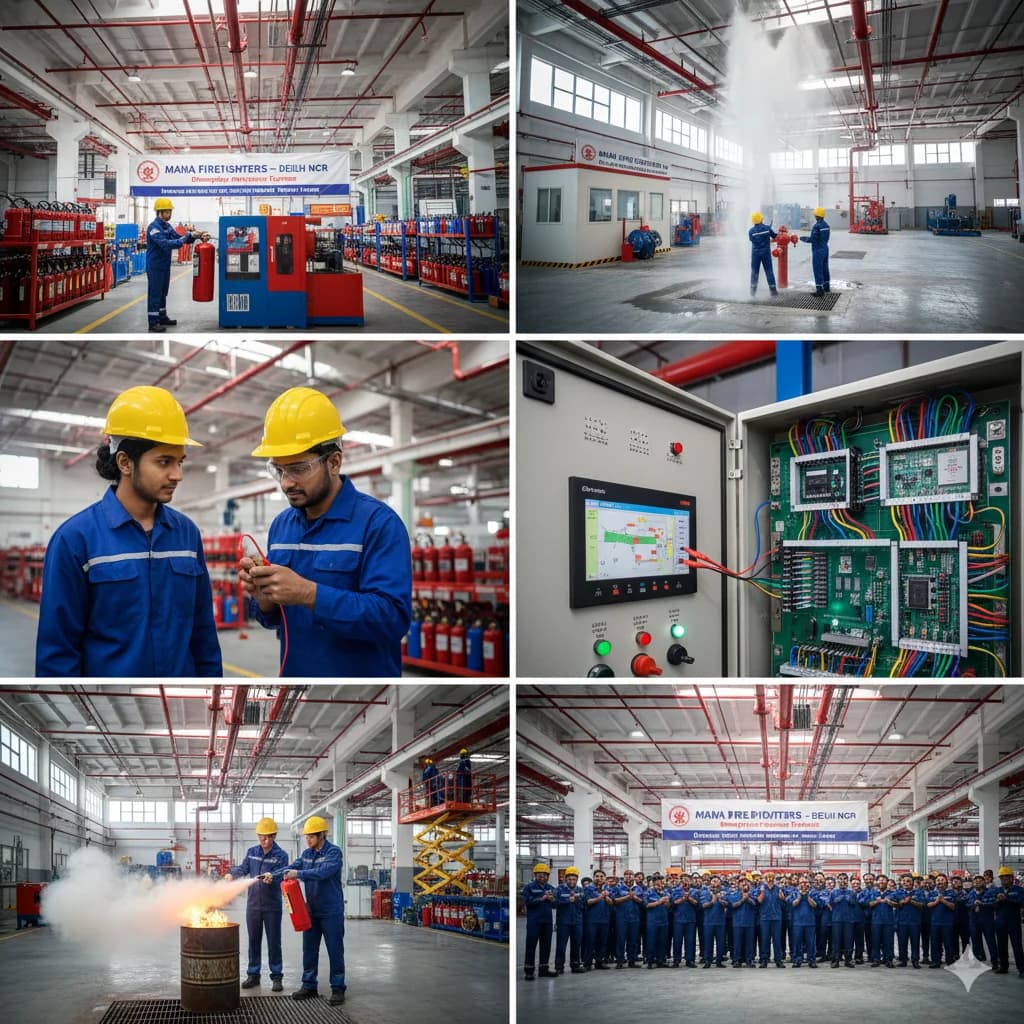
Facility managers think fire safety is about pumps, pressure gauges and code checklists. They forget that a burned‑out crew is the weakest link in any emergency response.
Choosing the best yoga teacher training school in Rishikesh isn’t a luxury; it’s a strategic move that lowers fatigue‑related errors during a fire alarm and keeps your compliance record spotless.
Why a Yoga Certification Beats a Generic Wellness Program
Most wellness contracts hand out pamphlets and hope for the best. A Rishikesh‑based yoga school delivers a structured 200‑hour syllabus, daily asana cycles, and breath‑control drills that translate directly to faster evacuation actions.
We’ve seen a plastics plant in Manesar where operators who completed a 10‑day intensive yoga course reduced their response time from 22 seconds to 12 seconds during a simulated fire drill. The difference? A disciplined pranayama routine that trains the nervous system to stay calm under pressure.
Statutory Edge: Aligning Wellness with NBC Fire Safety Requirements
NBC 2016 Part 4, Clause 4.1.3, mandates that fire wardens must be physically capable of operating jockey pumps and climbing to heights of 4 m without assistance. A certified yoga instructor can certify staff fitness in line with that clause, saving you a separate medical audit.
How to embed yoga training into your fire safety audit
Follow this three‑step checklist during the next DFS inspection:
- Document yoga certification numbers alongside fire wardens’ training certificates.
- Reference IS 3844‑2019 Section 5.2 – “Personnel fitness for manual fire‑fighting equipment”.
- Include a brief wellness summary in the free fire safety audit and cost estimate report.
‘If you can’t hold a balanced tree pose, you won’t hold a fire hose steady.’ – Field rule from a senior DFS inspector.
Integrating Yoga with Existing Fire Protection Services
Our own fire extinguisher refilling and hydro-testing services include a 15‑minute stretch break after each hydraulic test. The break follows a 5‑minute sun‑salutation sequence that prevents back strain during the next test cycle.
When you pair that with an automatic fire sprinkler system inspection, you create a holistic safety culture: equipment works, people stay fit, and the DFS sees a single, auditable compliance package.
Cost Perspective: ROI of Certified Yoga Training
One yoga batch costs roughly ₹45,000 for a group of ten supervisors. The same amount could pay for a single jockey pump overhaul that often fails after three years of neglect. The ROI shows up as fewer overtime claims, lower injury insurance premiums, and smoother NOC renewals.
What facility managers really ask
"Can yoga training satisfy the fitness clause in NBC?" Yes. A certificate from the best yoga teacher training school in Rishikesh is accepted as evidence of compliance under Clause 4.1.3.
"Will this affect my fire NOC timeline?" Absolutely. DFS inspectors routinely ask for staff fitness proof; a yoga certificate speeds up clearance by 2‑3 weeks.
"Is there a penalty for not having such training?" No direct fine, but non‑compliance can trigger a stop‑work order, costing far more than the yoga program.
"How often should the training be refreshed?" Every 24 months aligns with the mandatory fire wardens’ refresher schedule in the NBC.
Integrate a certified yoga batch into your next safety audit and watch both your staff health metrics and fire‑safety compliance improve in tandem.